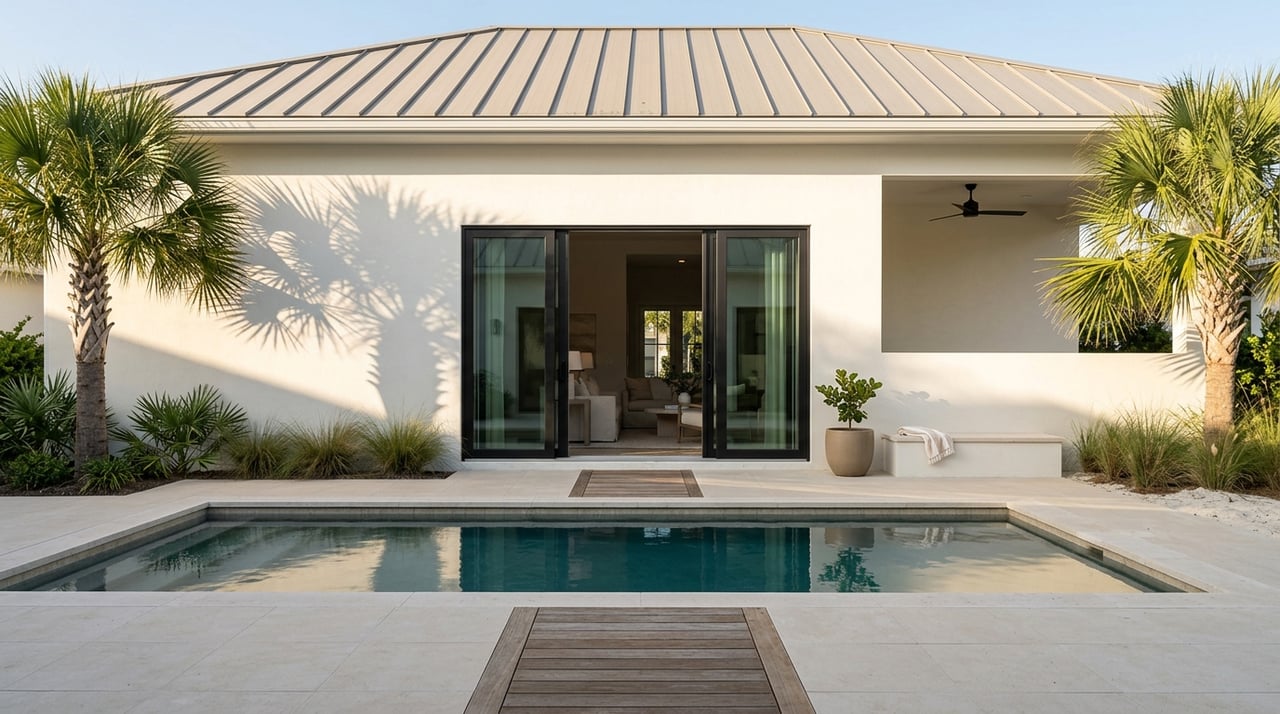
Trying to decide between beachside and mainland in Ormond Beach? That choice can shape your daily routine, your commute, your home style, and even the property details you need to review before making an offer. If you are relocating, buying a second home, or simply narrowing down where you want to live, it helps to understand how these two sides of town function in real life. Here’s a practical look at what sets them apart and how to choose the one that fits you best.
Beachside vs. Mainland Basics
In Ormond Beach, "beachside" usually means the barrier-island side of town. That is the area between the Atlantic Ocean and the Halifax River, with the Granada Bridge serving as one of the main connectors.
"Mainland" generally refers to the west side of the Halifax River. It also includes the US-1 and I-95 corridor, which the city identifies as a major commercial and mobility area.
That difference matters because you are not just choosing scenery. You are also choosing between two parts of the city with different access patterns, land-use rules, and day-to-day feel.
How Planning Shapes Each Side
One of the most important things to know is that Ormond Beach regulates development by district and parcel. The city’s 2045 Comprehensive Plan and Land Development Code guide density, setbacks, building height, lot coverage, and allowed uses.
That means beachside and mainland are not separated only by water. They are also shaped by different land-use patterns, and those patterns affect what homes look like, how neighborhoods feel, and what future development may look like nearby.
What Beachside Living Feels Like
Beachside in Ormond Beach is not one single type of neighborhood. Some areas are intentionally preserved as lower-density residential streets, while other stretches, especially south of Granada, include more tourist or commercial activity.
North of Granada Boulevard, the city says oceanfront properties should retain a single-family estate character. In other beachside areas, especially existing single-family sections south of Granada and east of South Atlantic Avenue, the city maintains a low-density residential pattern.
For you as a buyer, that usually translates into a more constrained coastal setting with a distinct barrier-island feel. In many areas, the appeal is the immediate access to the beach, river views, and the historic character found around streets like Riverside Drive and John Anderson Drive.
What Mainland Living Feels Like
Mainland Ormond Beach tends to offer a broader mix of housing forms and development patterns. The city’s land-use approach allows for suburban low-density residential areas, planned residential developments, and a wider mix of housing types, including single-family homes, duplexes, townhouses, and multifamily properties.
In practical terms, that often means more room for subdivisions, planned communities, open space, and mixed-use growth. If you want easier access to major roads, larger park facilities, and a more suburban layout, the mainland may feel like a better fit.
It is also where many of the city’s commercial and service corridors are concentrated. Granada Boulevard connects I-95 to A1A, and the city identifies US-1 and the I-95 interchange area as major gateways.
Home Styles and Lot Patterns
A simple way to think about it is this: beachside often feels tighter, older, and more coastal in form, while mainland often feels more spread out and varied. That does not mean every beachside lot is small or every mainland lot is large, but the city’s planning framework points in that general direction.
Actual lot size and building shape still depend on the parcel. The city notes that density can be reduced by minimum lot-size rules, setbacks, environmental constraints, and utility availability, so two homes on the same side of town can still offer very different experiences.
That is why it helps to compare specific addresses rather than rely only on broad labels. A beachside cottage, a riverfront home, and a mainland planned-community property may all meet very different goals.
Parks, Recreation, and Lifestyle Access
If your top priority is an ocean-first lifestyle, beachside has a clear advantage. Andy Romano Beachfront Park offers beach access, off-beach parking, a splash pad, playground, pavilions, concessions, and restrooms.
Beachside also includes access to scenic shoreline and riverfront spaces. The city lists places like Neptune Beach Park, Cassen Park, Al Weeks Sr. North Shore Park, Frank Rendon Park, Sunsplash Park, and Tom Renick Park among its waterfront and beachfront park options.
Mainland amenities lean more toward larger, program-oriented parks. Nova Community Park includes sports fields, tennis, basketball, handball, a skate area, a fitness trail, and a community center, while Central Park spans 149.1 acres with a boat ramp, canoe access, fishing, docks, playgrounds, and walking paths.
If you picture yourself starting the day with a beach walk, beachside may pull you in. If you want wider access to organized recreation, boating access, or larger multi-use parks, mainland may check more boxes.
Errands and Daily Convenience
For many buyers, the biggest lifestyle difference shows up Monday through Friday. Mainland Ormond Beach is more directly tied to retail, service, and employment corridors, especially along Granada Boulevard, US-1, Nova Road, and near I-95.
That can make everyday errands and regional travel feel more straightforward. If your routine includes regular commuting or frequent trips outside the immediate coastal area, mainland access may offer more convenience.
Beachside can still be highly enjoyable for walkable scenery and waterfront surroundings, but your movement patterns are more tied to limited corridors and bridge crossings. That can be part of the charm, but it is also something to think through before you buy.
Traffic, Bridges, and Commute Patterns
Ormond Beach mobility is shaped by a few key roads: Granada Boulevard, A1A, US-1, Nova Road, and I-95. The city also notes that A1A, US-1, and SR 40 are constrained for widening.
For beachside residents, that means your trips often depend on bridge access and limited-width routes. For mainland residents, travel is usually more directly connected to US-1 and I-95.
This does not automatically make one side better than the other. It simply means your ideal location depends on whether you value coastal setting more, or faster regional access more.
Flood Exposure and Coastal Factors
This is one of the most important practical differences between beachside and mainland. Flood risk is address-specific, but Volusia County identifies inland high-risk flood zones as A or AE, while coastal high-risk zones with added storm-surge risk are labeled VE.
The city’s coastal plan also states that it is working to reduce flood risk from storm surge, high tide, flash floods, runoff, and sea-level rise. If you are seriously considering a beachside property, you will want to review flood-zone details, elevation, and property-specific insurance questions early in the process.
That does not mean beachside is off the table. It just means the due diligence process tends to matter more, and local guidance becomes especially valuable when comparing one coastal property to another.
Building Rules and Property Requirements
Another clear difference is building-code requirements. The city says new buildings on the beachside are required to have impact protection, while mainland buildings are not required to have it.
Some shoreline areas also have more detailed design oversight, including architectural standards for the A1A corridor south of Granada. In real terms, beachside can feel more regulated because of its coastal location and planning priorities.
For buyers, this is less about whether one side is good or bad and more about understanding the ownership experience. Maintenance expectations, renovation plans, and replacement costs may look different depending on where the home sits.
Hurricane Evacuation Considerations
Coastal living also brings added evacuation considerations. The city’s coastal-management plan says Ormond Beach works to maintain coastal evacuation times, consider evacuation impacts in the Hurricane Vulnerability Zone, and support bridge improvements to help with evacuation and beach access.
The city also notes that evacuation routing should help distribute traffic, including shifting some traffic load from the Granada Bridge to the Seabreeze Bridge. If you are comparing beachside and mainland, this is worth factoring into your comfort level and long-term planning.
How to Choose the Right Side for You
If you are drawn to immediate beach access, river and ocean scenery, and a lower-density coastal setting, beachside may be the stronger fit. It often appeals to buyers who want a true barrier-island lifestyle and are comfortable doing more detailed property review around flood exposure, insurance, and building requirements.
If you are focused on easier commuting, broader housing options, access to larger parks, and quicker connections to shopping and services, mainland may make more sense. It can be especially appealing if you want a wider range of suburban or planned-community layouts.
The key is to match the location to how you actually live. A beautiful home on the wrong side of town for your routine can feel less ideal over time than a well-matched home that supports your daily life.
Why the Specific Address Matters Most
The biggest takeaway is that no two properties are exactly alike, even on the same side of town. Zoning district, setbacks, flood zone, environmental constraints, and building rules can vary from one parcel to the next.
That is why the best decision usually comes from narrowing your goals first, then reviewing the details of the homes that fit them. In Ormond Beach, micro-location matters.
If you want help comparing beachside and mainland options in a way that fits your lifestyle, goals, and comfort level, Todd Hammond can help you sort through the details and move forward with confidence.
FAQs
What does beachside mean in Ormond Beach?
- In Ormond Beach, beachside generally means the barrier-island side of town between the Atlantic Ocean and the Halifax River.
What does mainland mean in Ormond Beach?
- Mainland usually refers to the west side of the Halifax River, including areas tied to US-1, Nova Road, and I-95.
Is beachside Ormond Beach mostly residential?
- Some beachside areas are preserved as low-density residential neighborhoods, while other stretches include more tourist or commercial activity, especially south of Granada.
Does mainland Ormond Beach offer different home types?
- Yes. The city supports a broader mix of housing forms on the mainland, including single-family homes, duplexes, townhouses, multifamily properties, and planned residential developments.
Are flood risks different between beachside and mainland in Ormond Beach?
- Flood risk depends on the exact property, but coastal high-risk areas can include VE zones with added storm-surge exposure, while inland high-risk areas are typically labeled A or AE.
Are building requirements different on beachside properties in Ormond Beach?
- Yes. The city states that new beachside buildings are required to have impact protection, while mainland buildings are not required to have that same requirement.
Which side of Ormond Beach is better for commuting?
- Mainland is usually more directly connected to US-1 and I-95, while beachside trips depend more on bridge crossings and limited coastal corridors.
How should you choose between beachside and mainland in Ormond Beach?
- Start with your priorities, such as beach access, commute needs, parks, lot style, and comfort with coastal property factors, then evaluate each property by its specific parcel details.
